Aug 21, 2026
Why Your Best Managers Are Losing to Waste They Can't See
-
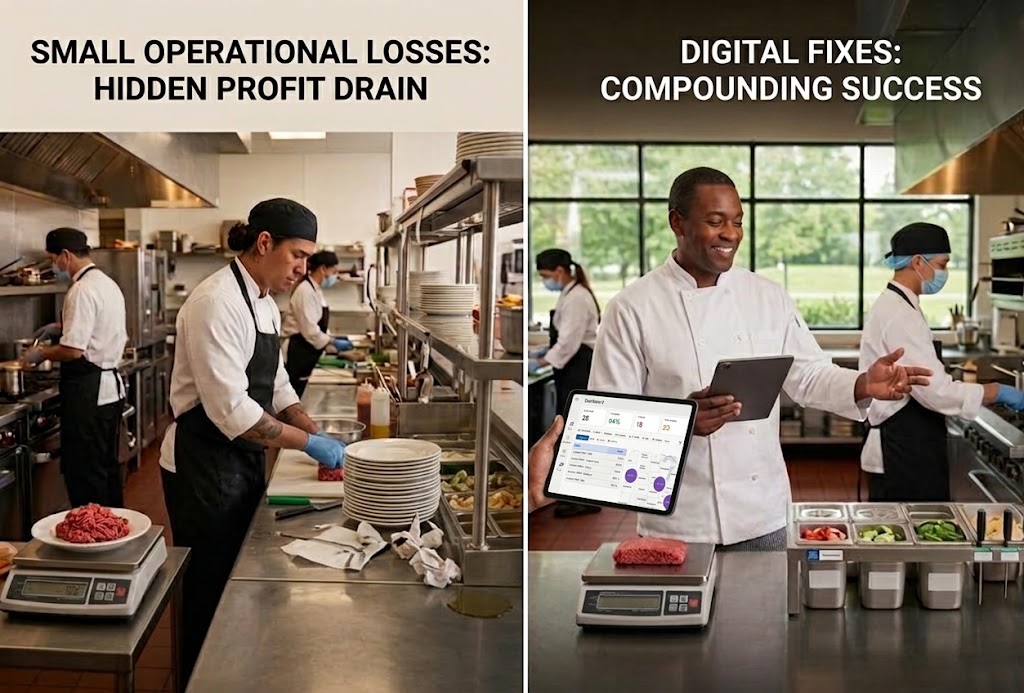
Even when capable managers follow checklists and meet labor targets, margins can still shrink. This occurs because standard reports miss hidden operational waste, such as minor task redoing, minor over-portioning, or inaccurate delivery logging. These small daily inefficiencies drain profitability before ever appearing on a spreadsheet.
Key Takeaways
- Waste hides in the gap between what managers think happens and what actually happens on the floor.
- Small inefficiencies like rework, overproduction, and unrecorded delays add up to real labor cost over time.
- Paper checklists and static audits catch compliance issues but rarely catch the waste itself.
- Real-time data shows managers where time and product are actually going, shift by shift.
- Digitizing daily execution turns invisible waste into a fixable, trackable part of the business.
The Waste That Never Makes It Into a Report
Two locations can post nearly identical labor and food cost numbers while one is quietly bleeding hours to rework and the other isn't. The weekly report never explains the difference, because it only shows the outcome, not the decisions that led there.
Most restaurant and hospitality operators already track the big numbers. Food cost percentage, labor hours, sales per shift. Those numbers matter, but they're lagging indicators. They tell you waste happened last week, not that it's happening right now at the prep station or in the walk-in.
The real waste tends to be smaller and more constant. A cook who over-portions by an ounce on every plate. A server who reprints a ticket instead of walking back to check one. A manager who runs the same closing checklist every night but never notices that one station consistently takes twice as long as it should.
None of that shows up as a line item, but multiply it across dozens of locations and hundreds of shifts, and it becomes one of the biggest expenses nobody's actually managing. This is the kind of hidden inefficiency that classic lean waste thinking was built to catch, and it still holds up decades later.
OpsAnalitica digitizes checklists and task tracking, enabling operators to catch waste in real-time rather than weeks later. By replacing paper processes with structured digital workflows for restaurants and other multi-location businesses, the platform offers visibility into station-level execution. This approach helps operators consistently achieve labor cost reductions of 3 to 4 percent.
Why Visibility Gaps Let Costs Slip Through
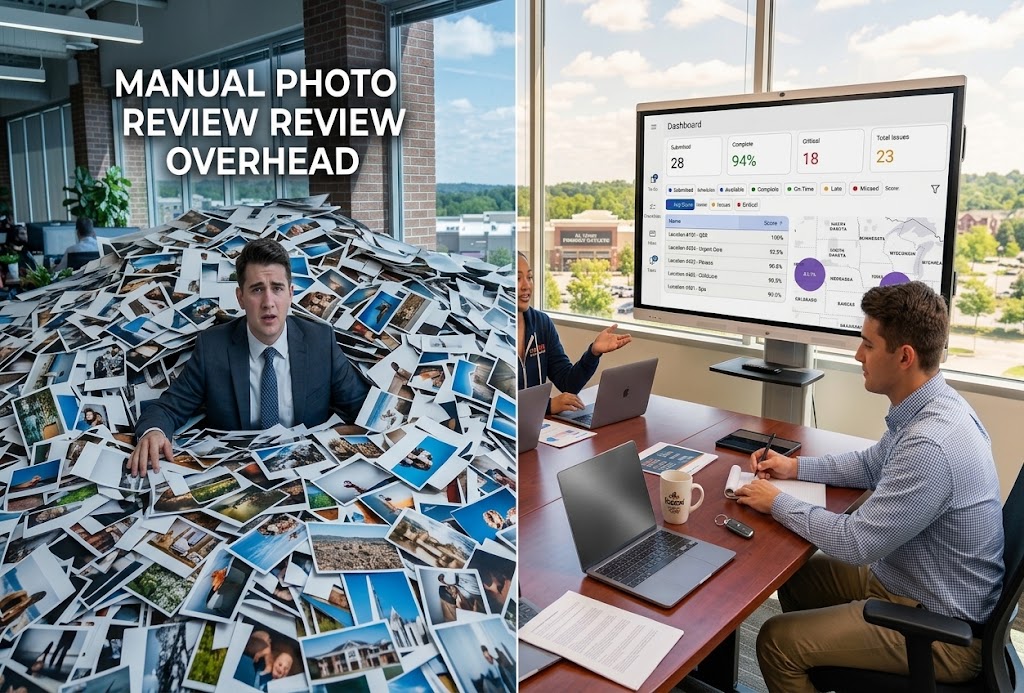
The problem isn't that managers aren't paying attention. It's that the tools they're using were never built to catch process-level waste in the first place. A paper checklist confirms a task got marked done, not how long it took, how it compares to last week, or whether a step got skipped to save time. That blind spot is what creates visibility gaps between what leadership assumes is happening and what's actually happening on the ground.
Growing operations feel this more than anyone. Add a few more locations and the gap between corporate reporting and floor-level reality gets wider, not smaller. A regional manager overseeing a dozen locations can't be on the floor often enough to catch what a real-time system catches automatically.
Closing that gap usually means moving away from manual walkthroughs and toward structured execution tracking that flags problems while they're still small.
Why Poor Processes Increase Controllable Expenses And How To Fix It

What Real-Time Operational Data Actually Catches
Once managers can see operational data as it's generated, the waste that used to hide in plain sight becomes obvious. A station that's consistently slower than the others. A prep task that gets skipped every Friday when the kitchen is short-staffed. A location that's quietly running higher rework rates than its neighbors.
This is also where process mining comes in. Instead of guessing where the bottlenecks are, operators can map how a task actually flows from start to finish across every location and compare it against how it's supposed to flow. The gap between the two is usually where the money is leaking, and it's rarely the same gap twice, which is exactly why static audits keep missing it.
The Cost of Rework, Overtime, and Uncounted Minutes
Rework and overtime rarely get flagged as waste because they look like effort, not inefficiency. Someone stayed late, so it looks like dedication. A dish got remade, so it looks like quality control. But both are symptoms of a process that didn't work the first time, and both hit labor costs directly.
These are what accountants would call controllable costs, expenses that shift based on decisions and processes rather than fixed overhead. They're controllable in theory but nearly invisible in practice unless someone is tracking execution at the task level. A few extra hours of unplanned overtime a week rarely looks alarming in isolation, but multiplied across a portfolio of locations over a full quarter, it's hard to ignore.
Coordinating tasks across shifts and locations with one task management system makes it easier to catch rework and overtime before they quietly eat into the week's labor budget.
Why Growing Organizations Struggle With Controllable Expenses

Making the Invisible Visible
Waste that's easy to see is usually waste that's already been fixed. The kind that's still draining margins is the kind nobody's looking for, because it's built into routines that look fine from the outside. Getting ahead of it means giving managers a way to see execution as it happens, not a summary of it weeks later.
The best managers aren't losing to bad decisions. They're losing to waste they were never given the tools to see. Once that waste becomes visible, most of it turns out to be fixable, sometimes in a single shift. The operators who close that gap first are the ones who will hold onto their margins while everyone else keeps wondering where the money went.

Ready to Improve Your Operations?
Get our FREE checklists to streamline processes, boost efficiency, and save time.