Sophie Moore
Mar 10, 2026
Are rework and overtime quietly inflating your controllable expenses each month?

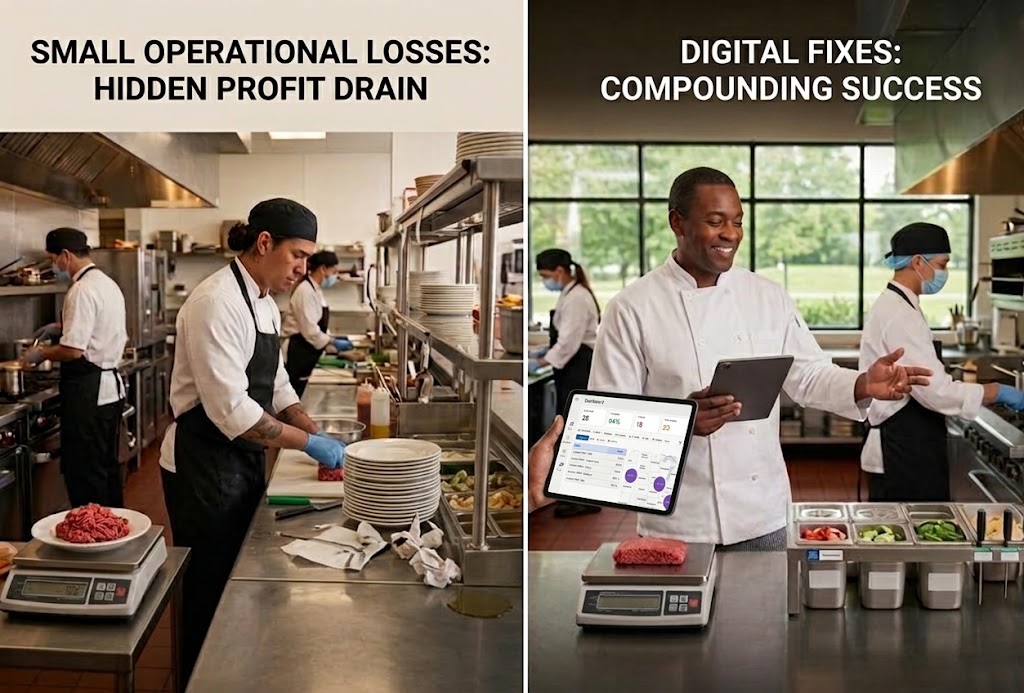
Every multi-unit operator knows the frustration of watching profits shrink because of problems that should have been caught earlier. Rework and overtime are two of the biggest culprits, and they fall squarely into the category of controllable operating expenses. These aren't random costs. They're the direct result of breakdowns in process, communication, and accountability. When you address the root causes instead of the symptoms, the savings show up fast.
Rework happens when a task that should have been done right the first time needs to be repeated. Maybe a food prep step was skipped, a cleaning checklist wasn't followed properly, or an inspection missed a critical item. The outcome is always the same: wasted labor hours, wasted materials, and sometimes a hit to the guest experience. Overtime often follows close behind, because correcting mistakes means someone has to stay late or come in early.
Many operators don't realize how much these issues are actually costing them. When rework becomes routine, teams stop flagging it. Overtime gets approved without much scrutiny because it feels unavoidable. But it's not. Understanding why poor processes increase controllable expenses is the first step toward breaking the cycle. Most of the time, the root cause is inconsistency, not a lack of effort.
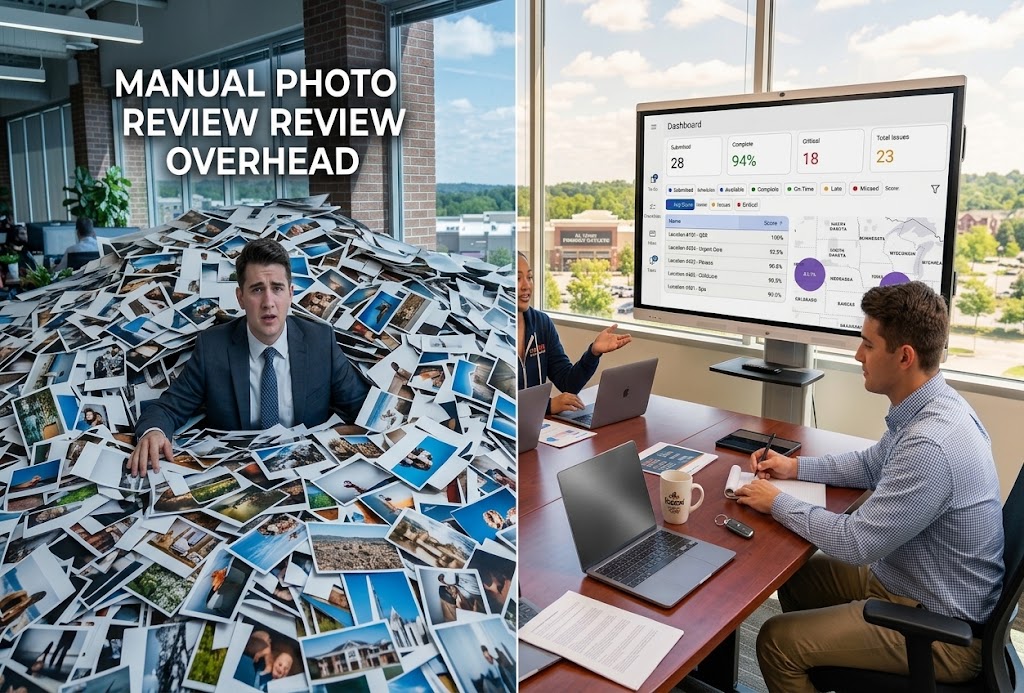
One of the biggest drivers of rework and overtime is a lack of operational visibility. When managers can't see what's happening across locations in real time, problems go unnoticed until they've already caused damage. A missed procedure at one site might not get flagged for days, and by then, the cost of correcting it has ballooned. Multiply that across dozens of locations, and you're looking at a serious dent in your bottom line.
Without visibility, operators rely on paper checklists, spreadsheets, or word-of-mouth updates from field staff. These methods are slow, unreliable, and prone to gaps. A completed checklist doesn't tell you whether the work was done correctly or how long it took. That kind of blind spot is where rework and overtime thrive, because no one can fix what they can't see.

How Real-Time Operational Data Helps Control Everyday Costs
Replacing paper-based processes with digital workflows does more than modernize your operations. It removes the conditions that allow rework to happen. When every task is defined, sequenced, and tracked in real time, teams know exactly what's expected and managers know what's been completed. There's no room for interpretation, and there's a record to hold people accountable.
OpsAnalitica functions as an operations execution solution for real-time visibility, giving operators the power to define critical processes once and deploy them across every location. The platform replaces manual checklists with intelligent, location-aware task lists that guide teams through each step. It captures high-integrity data at the moment of execution, so managers aren't guessing about compliance or quality. They're seeing it verified in real time.
This has a direct impact on labor costs. When tasks get done right the first time, there's no reason to redo them. Clients using OpsAnalitica report labor cost reductions of 3 to 4%, along with $5,000 in weekly savings from improved time management. Those numbers add up quickly for operators running multiple locations.
Overtime is often a symptom of something that went wrong hours or days ago. A missed task snowballs into a bigger issue, and the only way to fix it within the deadline is to throw extra labor at it. Real-time performance data changes the equation. When operators can track task completion, identify delays, and spot non-compliance as it happens, they can intervene before the situation calls for overtime.
If a location falls behind on its morning prep tasks, the manager gets an alert right away instead of discovering the gap during the lunch rush. That early warning is the difference between a quick course correction and a costly overtime shift. Organizations focused on restaurant operations management at scale especially benefit from this kind of proactive monitoring, because even small inefficiencies add up fast across multiple sites.

Operational Excellence Roadmap
Tools and technology only go so far if the people using them don't buy in. OpsAnalitica works not just because of the software, but because of how it changes daily habits. When teams interact with structured, guided workflows every shift, execution becomes second nature. The platform's micro-training feature reinforces best practices without pulling staff off the floor. Randomized task elements keep teams engaged and reduce the complacency that leads to shortcuts.
Accountability plays a major role too. When every task is logged, timestamped, and tied to a specific person, the conversation shifts from "who forgot to do this" to "let's figure out why this step keeps getting missed." That's a healthier dynamic. It focuses on process improvement instead of blame, and it gives managers the data they need to coach effectively.
If rework and overtime are eating into your margins, it's time to take a closer look at your operational processes. Try OpsAnalitica for free and see how it works for your team.
Rework and overtime don't have to be permanent line items on your P&L. They're symptoms of broken or inconsistent processes, and the fix starts with getting the right systems in place. When you give your teams clear, enforceable workflows and your managers real-time visibility into what's happening on the ground, those controllable expenses start to drop. It's not about perfection on day one. It's about building operational discipline that compounds over time, protecting your margins while making your teams' jobs easier.