How Real-Time Operational Data Helps Control Everyday Costs
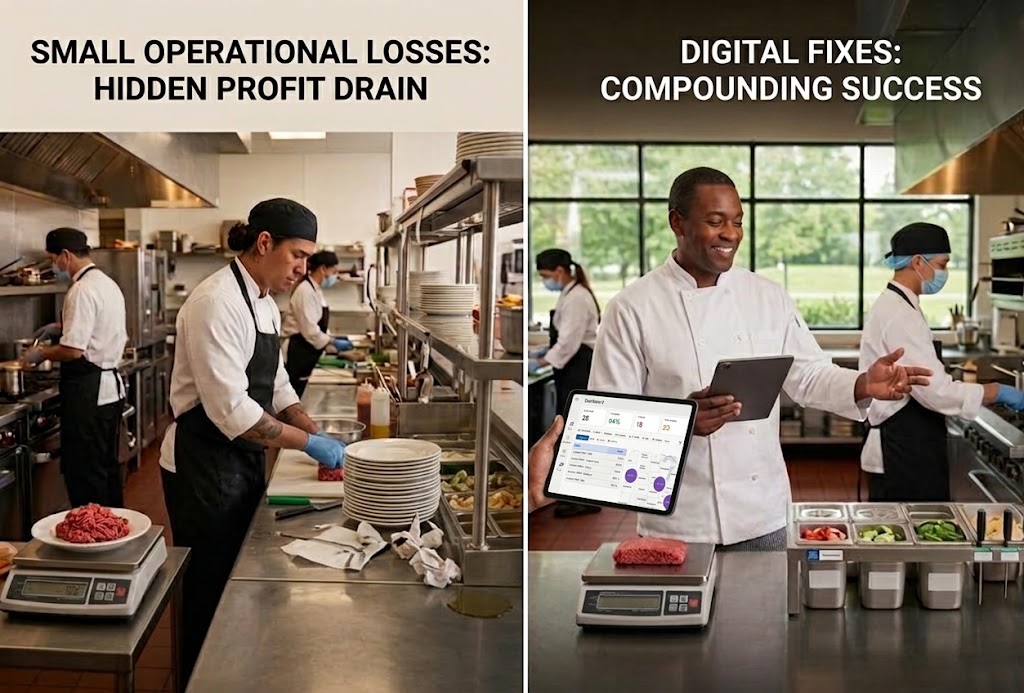
Are hidden inefficiencies quietly draining your daily profits?
.webp)
Running a multi-unit operation means managing dozens of moving parts every single day. Labor, inventory, equipment, compliance, and guest experience all compete for attention, and when something slips, it usually shows up in your costs first.
The problem is that most operators don't see those costs piling up until weeks later, when a report lands on their desk and the damage is already done. Real time operational data changes that equation entirely, giving you visibility into what's happening right now so you can fix problems before they become expensive.
Key Takeaways
- Real-time data lets you catch cost issues as they happen, not weeks after the fact.
- Small daily inefficiencies compound into major losses over time.
- There are multiple approaches to cost control, from manual tracking to full digital platforms.
- Digital tools like OpsAnalitica automate visibility and accountability across all locations.
- Consistent execution of standard processes is the foundation of sustainable cost control.
Why Everyday Costs Spiral Out of Control
Most cost problems don't start as big, obvious failures. They start small. A shift runs 15 minutes over because closing tasks weren't done efficiently. Food gets thrown out because someone forgot to rotate inventory. Equipment breaks down because routine maintenance got skipped. None of these feel like emergencies in the moment, but they add up fast.
The real issue is visibility. When you're relying on end-of-week reports or monthly P&L statements, you're looking at history. You can see that labor was over budget, but you can't see why it happened on Tuesday at 3pm. You know food costs spiked, but you don't know which location or which shift caused it. Without that granular, real-time view, you're always reacting instead of preventing.
Related: How to Turn Compliance From a Headache Into a Competitive Advantage
Understanding controllable operating costs is the first step. These are expenses you can actually influence through better processes and decisions, things like labor hours, waste, utility usage, and maintenance. The key is having the information you need to influence them before they hit your bottom line.
Three Approaches to Controlling Everyday Costs
There's no single right way to get better visibility into your operations. The best approach depends on your size, resources, and how much consistency you need across locations. Here are three options that work, ranging from manual to fully digital.
1. Paper-Based Tracking and Checklists
This is the traditional approach. Managers use printed checklists for opening, closing, and shift tasks. They log inventory counts by hand and track maintenance on clipboards.
What works: Simple to start, no technology investment, easy to customize.
What doesn't: Paper gets lost or filled out incorrectly. There's no way to verify completion in real time, and aggregating data across locations requires manual effort that rarely happens consistently.

2. Spreadsheet-Based Systems
Many operators graduate from paper to spreadsheets. Managers enter data into shared Google Sheets or Excel files, build formulas to track trends, and create basic dashboards.
What works: More organized than paper, allows for data analysis, and multiple people can access information.
What doesn't: It depends on people remembering to enter data accurately and on time. There's no accountability layer, no location-aware task management, and no automation. As you grow, spreadsheets become unwieldy.
3. Digital Operations Platforms
The most effective approach for multi-unit operators is a purpose-built operations execution solution that digitizes your entire workflow. Platforms like OpsAnalitica replace paper and spreadsheets with mobile-first tools that guide teams through tasks, capture data automatically, and surface issues in real time.
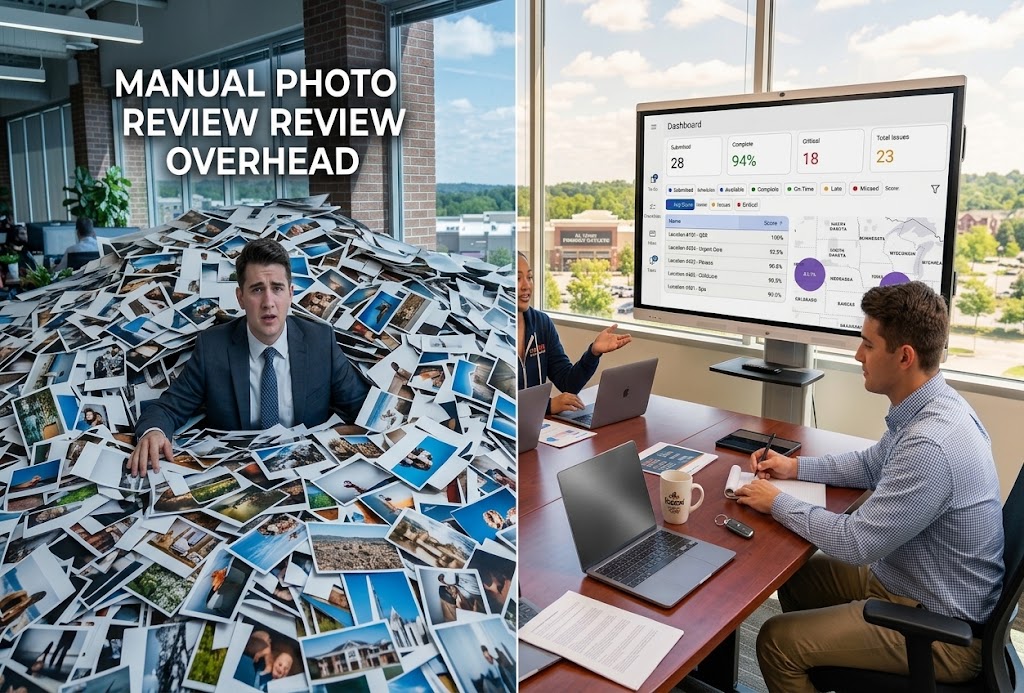
What works: Instant visibility into every location. Tasks verified with timestamps and photos. Managers receive alerts when something falls behind. You can track operational efficiency metrics across your entire organization from one dashboard.
What doesn't: There's a learning curve during implementation. But the ROI shows up fast, with clients reporting labor cost reductions of 3 to 4 percent and major improvements in compliance and guest satisfaction.

Related: From One Store to a Hundred: The Checklist Framework That Scales With You
How Digital Tools Make the Difference
Going digital isn't just about replacing paper with screens. It's about creating a system where nothing falls through the cracks and where you can see exactly what's happening across all your locations at any moment.
With digital task management, every team member knows what they need to do and when. Tasks are assigned based on role and location, with built-in accountability that shows who completed what and when they did it. This alone eliminates the guesswork that leads to overtime, missed procedures, and inconsistent execution.
For restaurant operators specifically, restaurant operations visibility means you can monitor food safety compliance, track prep completion, and catch equipment issues before they cause service disruptions. When a cooler temperature drifts out of range, you know immediately, not when someone opens it the next morning and finds spoiled product.
The compounding effect is significant. OpsAnalitica clients have reported weekly savings of $5,000 from improved time management alone. That's not from one big change but from dozens of small efficiencies that add up when you have the visibility to enforce them consistently.
Turning Visibility Into Action
Data alone doesn't control costs. What matters is what you do with it. The value of real-time operational data is that it lets you act while there's still time to make a difference.
When you can see that a location is running behind on prep at 10am, you can shift resources before the lunch rush. When you notice a pattern of overtime at one store, you can dig into the root cause and fix the process. When compliance scores drop, you can intervene with targeted coaching instead of waiting for an audit.
Ready to see what's really happening across your locations? Discover how OpsAnalitica gives you the visibility to control costs before they control you.
Building a Culture of Cost Awareness
Technology is a tool, not a solution by itself. The operators who get the most value from real-time data use it to build accountability into their culture. When teams know their work is visible and that consistency matters, behavior changes.
That's the real power of digitizing operations. It's not just about catching problems faster. It's about creating an environment where problems are less likely to happen because everyone understands the standards and has the tools to meet them.
Start with the areas that hurt most, whether that's labor, waste, or compliance gaps. Get visibility into what's actually happening. Then use that information to coach, correct, and improve. The costs you control today are the profits you keep tomorrow.
Ready to Improve Your Operations?
Get our FREE checklists to streamline processes, boost efficiency, and save time.