Andy Smith
Mar 9, 2026
Are hidden operational blind spots quietly inflating your controllable costs?

If you can't see what's happening across your locations in real time, you're already losing money. That's the hard truth for multi-unit operators watching controllable expenses climb with no clear explanation. The issue isn't bad employees or weak demand. It's a lack of visibility into how daily operations play out on the ground. When managers can't monitor task completion, compliance, or labor patterns as they happen, small problems snowball into expensive ones.
Visibility in operations isn't about dashboards full of charts nobody checks. It's about knowing, in the moment, whether the right work is getting done the right way at every location. Without that, you're relying on trust, memory, and after-the-fact reports. A manager who doesn't know whether morning prep was completed correctly at three locations can't act on what they can't see. By the time weekly numbers come in, the damage is done.
This problem gets worse as organizations grow. A few locations might be manageable with hands-on oversight, but scaling to twenty or fifty units without real-time execution data means blind spots multiply. Each blind spot is a place where overtime labor costs, waste, rework, and compliance failures quietly pile up.
Controllable expenses cover labor, food costs, supplies, and maintenance. What ties them together is that management decisions directly affect them. When visibility is low, each category bleeds money in predictable ways.
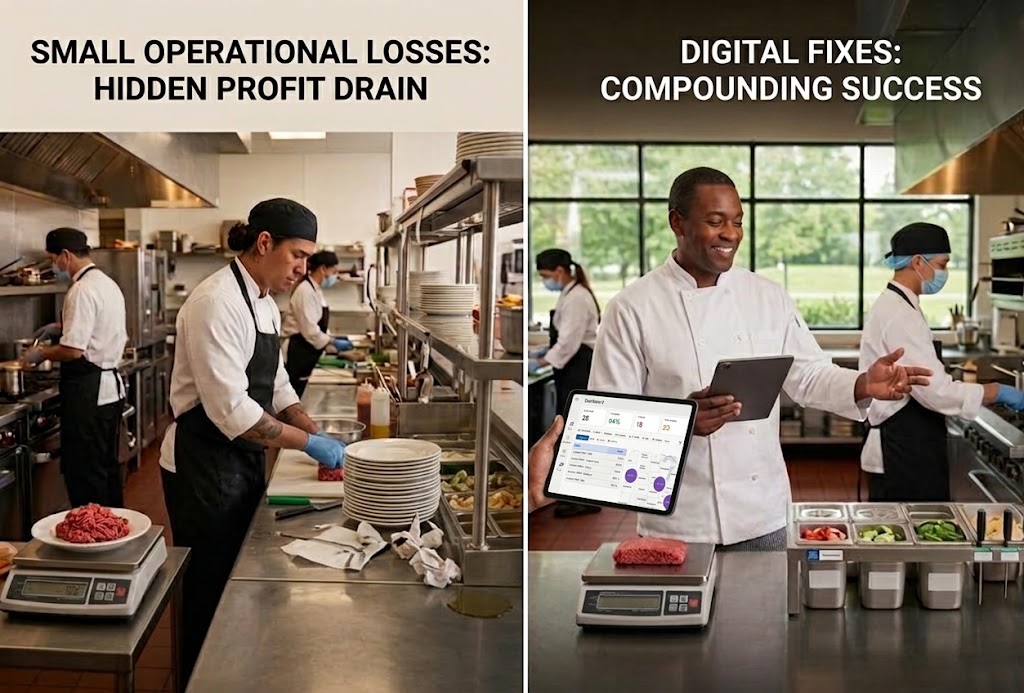
Labor is usually the largest controllable expense for restaurants and hospitality businesses. Without visibility into how shifts are actually running, it's easy to over-schedule during slow periods or miss patterns of rework and labor inefficiency that inflate hours without improving output. When employees repeat tasks because instructions were unclear, or managers spend their day troubleshooting instead of leading, labor dollars get burned for zero return.
If temperature logs aren't verified, receiving procedures aren't followed, or rotation standards slip, product walks out the door as spoilage. These losses are almost always preventable. But without a system that flags missed checks and tracks compliance in real time, operators only discover waste after it's hit the P&L.
How Real-Time Operational Data Helps Control Everyday Costs
Health inspections, safety audits, and brand reviews all depend on documented proof that teams follow standard procedures. When those records live on paper checklists that get lost or fudged, you're exposed. A failed health inspection can mean fines, closures, and reputation damage that far exceeds the cost of fixing the process. Businesses that understand why poor processes increase controllable expenses know that compliance isn't separate from cost control. They're the same thing.

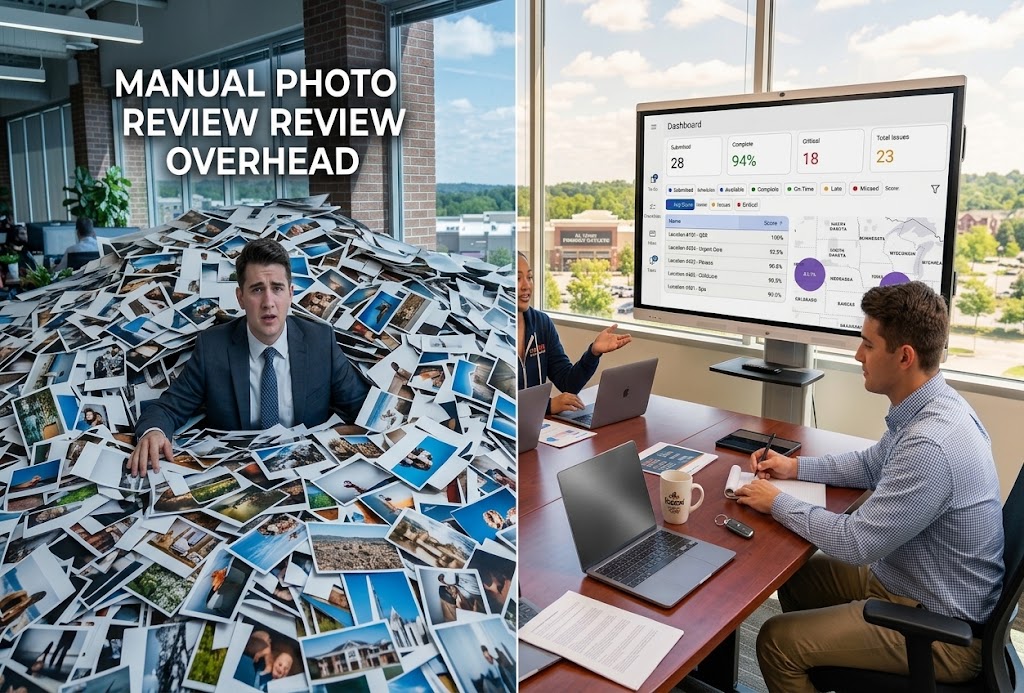
Plenty of operators still rely on paper checklists, spreadsheets, or weekly manager reports. These methods worked fine when businesses were smaller, but they create a dangerous delay between what happens in the field and when leadership finds out. A weekly labor report showing a spike in overtime doesn't tell you which shifts went wrong. A paper checklist checked off in 30 seconds doesn't confirm that tasks were actually done correctly.
Manual systems also make it nearly impossible to compare performance across locations. Every unit operates in its own bubble, and operators lose the ability to spot trends or hold teams to the same standard. Research confirms that process standardization reduces costs by eliminating the kind of variation that drives up expenses when left unchecked.
The fix isn't more reports or longer checklists. It's building a system where execution data flows to decision-makers the moment work happens. Real-time visibility means knowing which locations completed opening procedures on time, which skipped a food safety check, and where labor hours are trending above target, all before the day ends.
This kind of transparency does three things. It lets managers act on problems while they're still small. It creates accountability because teams know their work is tracked accurately. And it gives leadership the data they need to make informed decisions about staffing, training, and process changes. Multi-unit brands focused on restaurant operations execution at scale rely on this kind of visibility to maintain consistency without micromanaging every location.
The Hidden Cost of Growth: Why Process Debt Can Kill Expanding Businesses
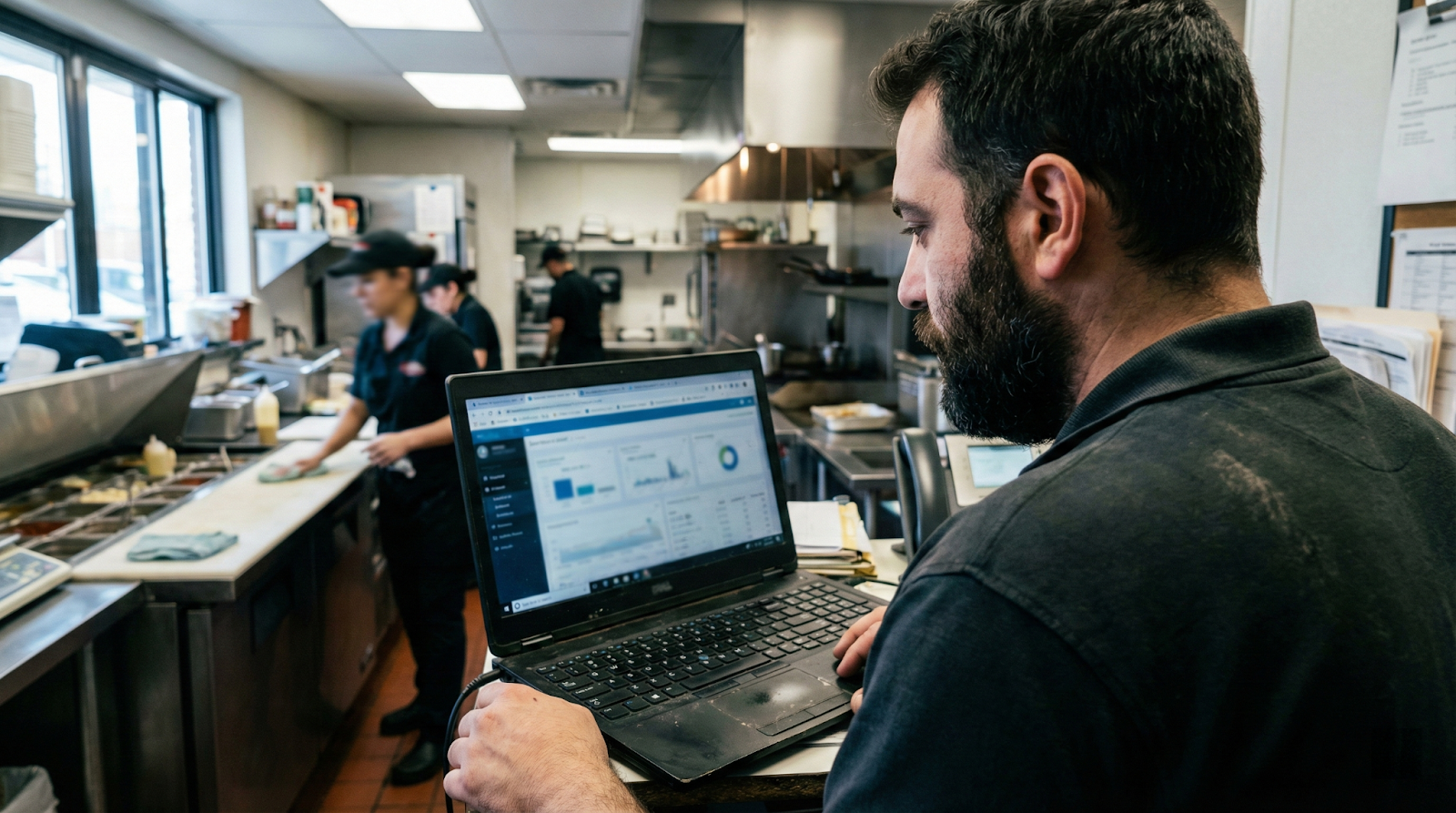
OpsAnalitica was designed to solve the visibility problem at its root. The platform replaces paper checklists and guesswork with intelligent digital processes that capture accurate, moment-in-time data as work gets done. Managers can see which tasks were completed, when, and by whom across every location. Alerts and escalations trigger automatically when something falls outside acceptable ranges.
As an operations execution solution that reduces rework, OpsAnalitica helps teams eliminate repetitive mistakes and manual tracking that inflate labor hours. Clients have reported labor cost reductions of 3 to 4 percent and weekly savings of $5,000 from improved time management. The platform's business logic engine adapts workflows based on conditions in the field, which means teams aren't just checking boxes. They're following smart processes that drive real outcomes.
If rising controllable expenses are eating into your margins, it's time to see what real visibility looks like. Start your free trial with OpsAnalitica today and take control of the costs you can actually change.
Controllable expenses don't spiral because of one big mistake. They grow because of dozens of small ones nobody catches in time. The common thread behind labor waste, inventory loss, and compliance failures is a lack of real-time visibility. When operators can see what's happening across their business as it happens, they stop reacting and start preventing. That shift from reactive to proactive is what separates organizations that control costs from those that watch them climb.