Jul 6, 2026
Why Field Teams and HQ Always See Operations Differently and How to Fix It
Do field teams see operations differently from headquarters?
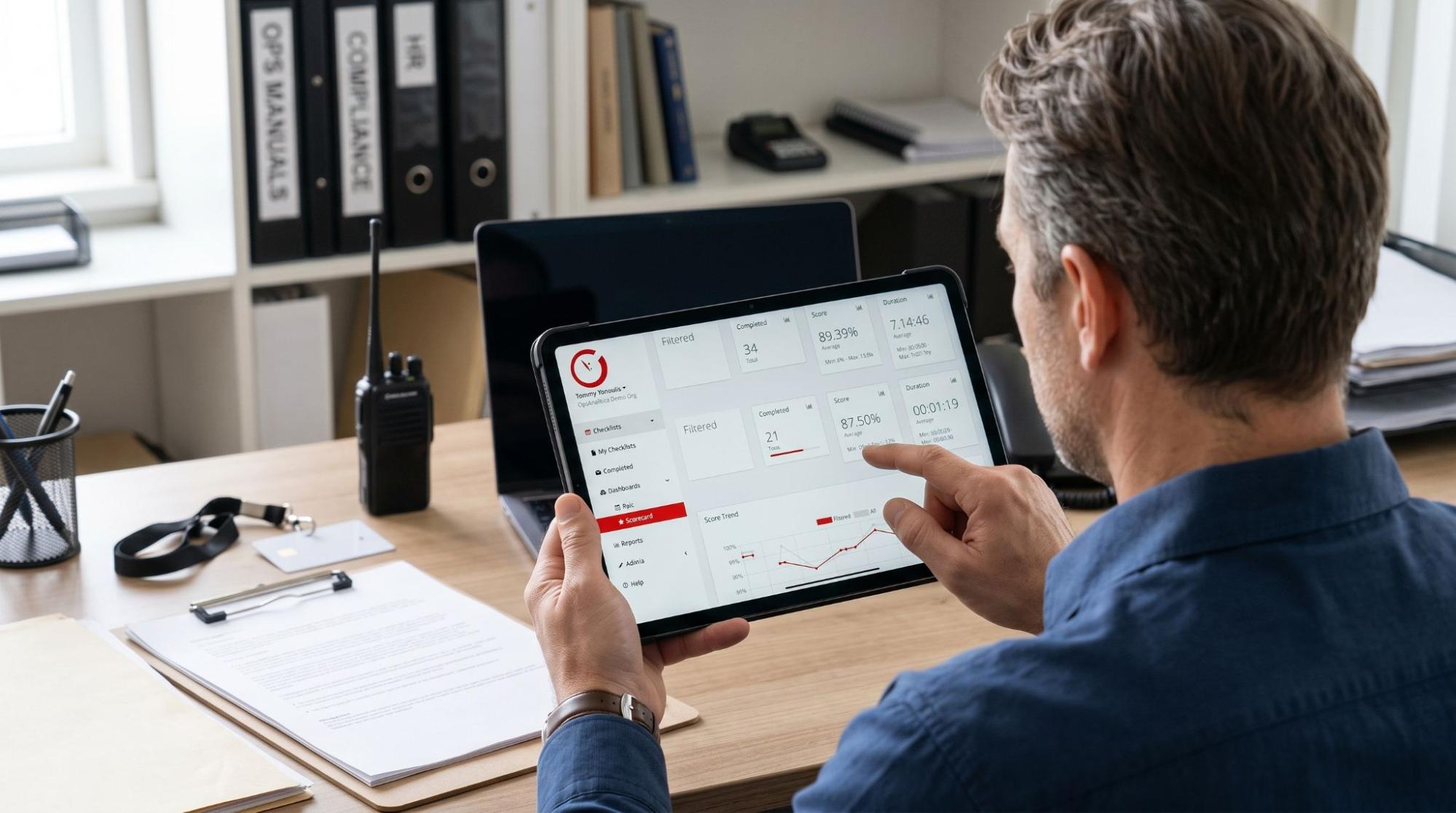
If you've ever been in a corporate meeting where everything looked fine on paper, then visited a location and found a completely different reality, you already know this problem. The perception gaps between field teams and headquarters aren't just frustrating. They cost money, and they don't fix themselves.
HQ relies on reports, scores, and dashboards. Field teams deal with short-staffed shifts, equipment issues, and daily workarounds that never make it into a formal log. Both sides think they're seeing the full picture. Neither one is.
Key Takeaways
- Field teams and HQ interpret operational data differently because they work from different information sources.
- Self-reported data and manual audits introduce bias that inflates performance scores and hides real problems.
- Real-time visibility tools close the perception gap by giving both sides access to the same verified data.
- OpsAnalitica holds field teams accountable to SOPs while giving leadership an accurate, ground-level view.
- Closing the visibility gap directly affects labor costs, compliance, and customer experience.
Why the Gap Exists in the First Place
The root cause isn't bad intent. It's a structural information problem. When field managers complete checklists manually or self-report audit results, there's no way to verify accuracy. Over time, inflated audit scores from field reporting become the norm because teams learn, consciously or not, to report what leadership wants to see.
Corporate builds strategy on that data. If numbers consistently show 90% compliance but locations are actually running at 70%, every decision built on that gap is already compromised. Staffing models, training investments, and rollout timelines all get skewed by data that was never reliable.
There's also everything that doesn't get reported at all. Field teams often handle issues they consider routine, things leadership would be surprised to learn about. Those daily workarounds only surface during a crisis or an in-person visit, and by then the damage is done.

How This Plays Out Across Multi-Unit Organizations
The bigger the organization, the wider the gap. A single-location operator can walk the floor. A brand with 50 or 500 locations depends entirely on what gets reported up the chain. The perception gaps between leaders and field teams only grow as layers of management add distance between decision-makers and the actual work.
A regional manager overseeing 15 restaurants and relying on weekly summary reports is already working with a delayed picture. A menu rollout struggling at three locations because of a training gap won't show up until the weekly numbers come in. A compliance issue caused by one shift lead consistently skipping a step won't appear in any dashboard. The visibility gap in field operations is a predictable consequence of scale, not a sign that something is uniquely broken.
Multi-unit operators looking to close this gap can explore how OpsAnalitica's operations execution solution gives both field teams and leadership access to the same real-time data, without adding administrative load to the people doing the actual work.
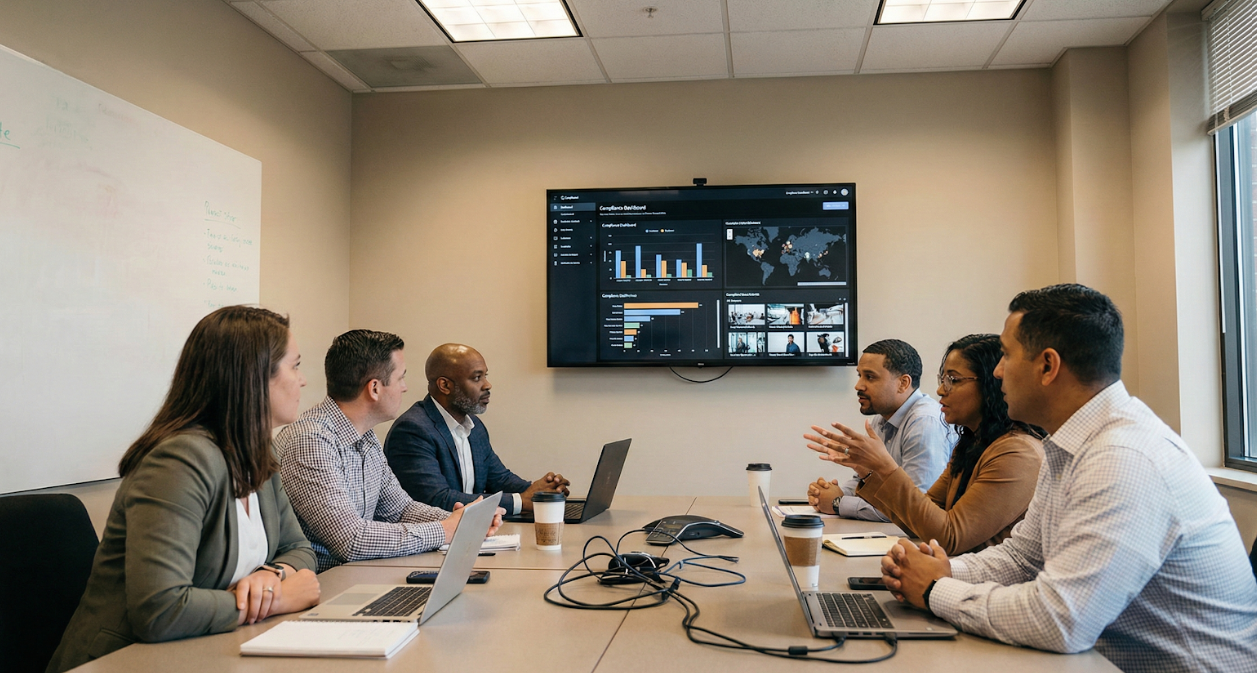
Improving Field Productivity Through Automated Photo Validation
What Real-Time Visibility Actually Changes
Getting real-time visibility into field operations changes things in a practical way. Instead of waiting for end-of-week reports, leaders see what's happening at each location the moment tasks are completed or missed. Issues get flagged immediately, not during a monthly audit.
For field teams, it removes ambiguity around expectations. When everyone works from the same digital checklist tied to the same SOPs, there's no guessing about what 'done' looks like. Task completion is verified, not assumed. The productivity visibility gap between employees and leaders is partly a data problem and partly a communication problem. Shared real-time platforms help with both.
How OpsAnalitica Closes the Gap
OpsAnalitica is an operations execution platform built specifically for this problem. It replaces paper checklists and manual audits with digital workflows that capture verified, moment-in-time data. When a task is completed, the system records it. When it's skipped, that's captured too. There's no room for after-the-fact editing or inflated scores.
Corporate teams get a live view of task completion, compliance trends, and location-level performance without waiting on anyone to file a report. Field managers get structured, location-aware checklists that adapt to their role, shift, and situation. Both sides work from the same data, and that's what closes the perception gap.
Clients report labor cost reductions of 3 to 4%, weekly savings of around $5,000 from better time management, and a 90% improvement in customer satisfaction at locations with strong OpsAnalitica adoption. The platform also supports micro-training and randomized task assignment that cuts completion time by up to 30%.
Teams that want to go further can read about how OpsAnalitica's photo analyzer feature reduces rework, waste, and delays by bringing automated visual verification into everyday field operations.
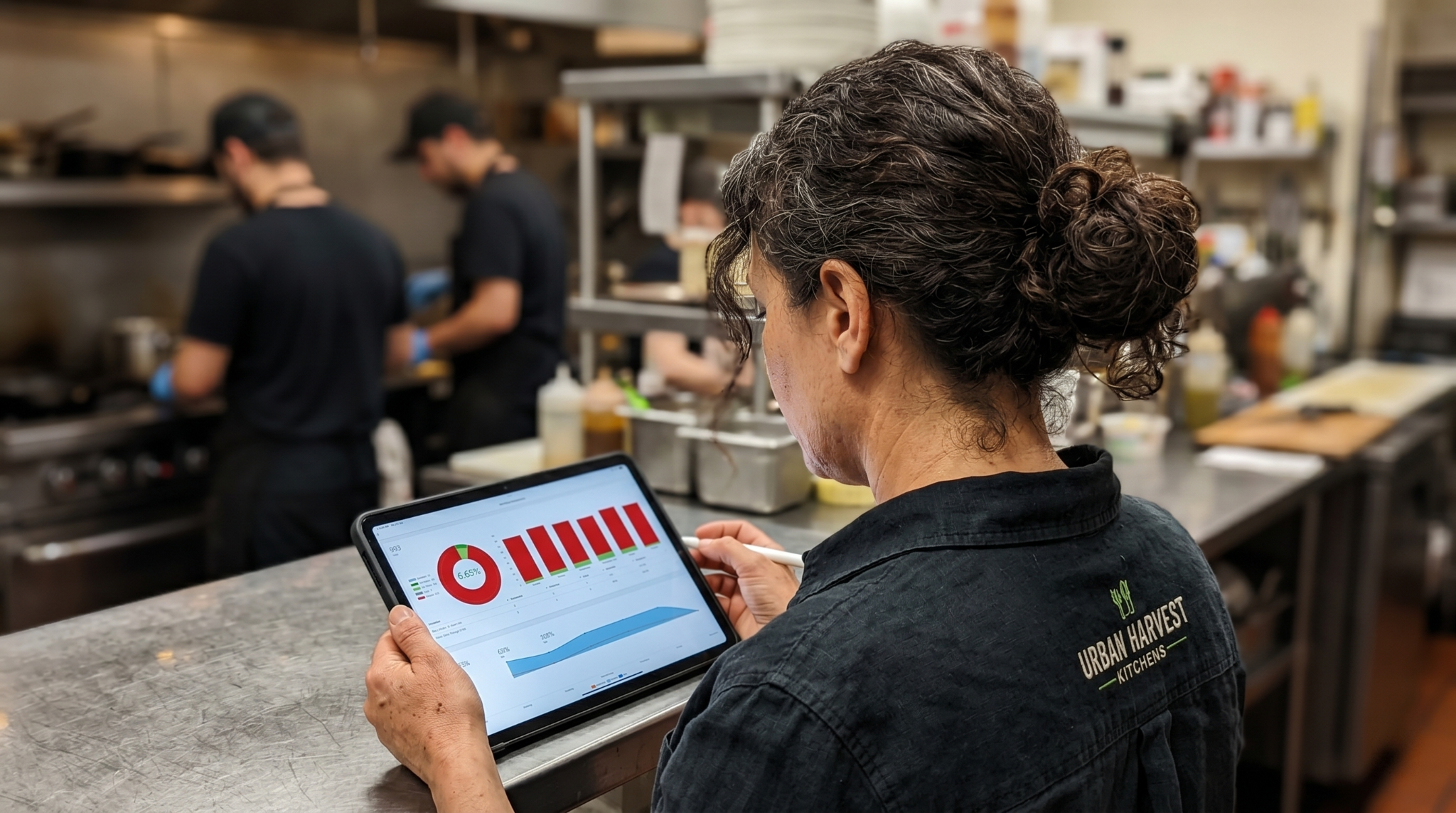
The Hidden Cost of Growth: Why Process Debt Can Kill Expanding Businesses
Closing the Gap Is an Operational Decision
The disconnect between field teams and HQ isn't a communication failure or a culture problem. It's a systems problem. When field data is unverifiable and leadership builds strategy on top of it, both sides end up working from an incomplete picture.
Fixing it means replacing the systems that allow the gap to exist. Real-time execution platforms, verified data capture, and shared visibility give both sides what they actually need: an accurate view of what's happening across every location, every day. That's what turns constant disagreements into aligned action.
Ready to Improve Your Operations?
Get our FREE checklists to streamline processes, boost efficiency, and save time.