Sophie Moore
Mar 8, 2026
Are your field teams completing tasks correctly, or just checking boxes?
When field teams work across dozens of locations, it's tough to know whether tasks are actually getting done the right way. Checklists help, but they only confirm that someone tapped a box. They don't show if the job met standards or if conditions on the ground matched what was reported. That gap between reported and real is where productivity breaks down, and it's exactly where automated photo validation steps in.
Most multi-location businesses still rely on checkboxes or paper forms to track task completion. A manager at headquarters sees a completed checklist and assumes everything looks good. But without visual evidence, there's no way to confirm that a cooler was properly stocked, a display met brand standards, or a cleaning task passed health code requirements. The result is a guessing game that drains time and introduces risk.
Field managers often compensate with in-person spot checks, which eats into time that could be spent coaching teams. It's physically impossible to be everywhere every day. That's why businesses running restaurant operations execution at scale need a verification method that works without a manager being physically present.
How OpsPhotoAnalyzer Frees Up Managers to Focus on Higher-Value Work
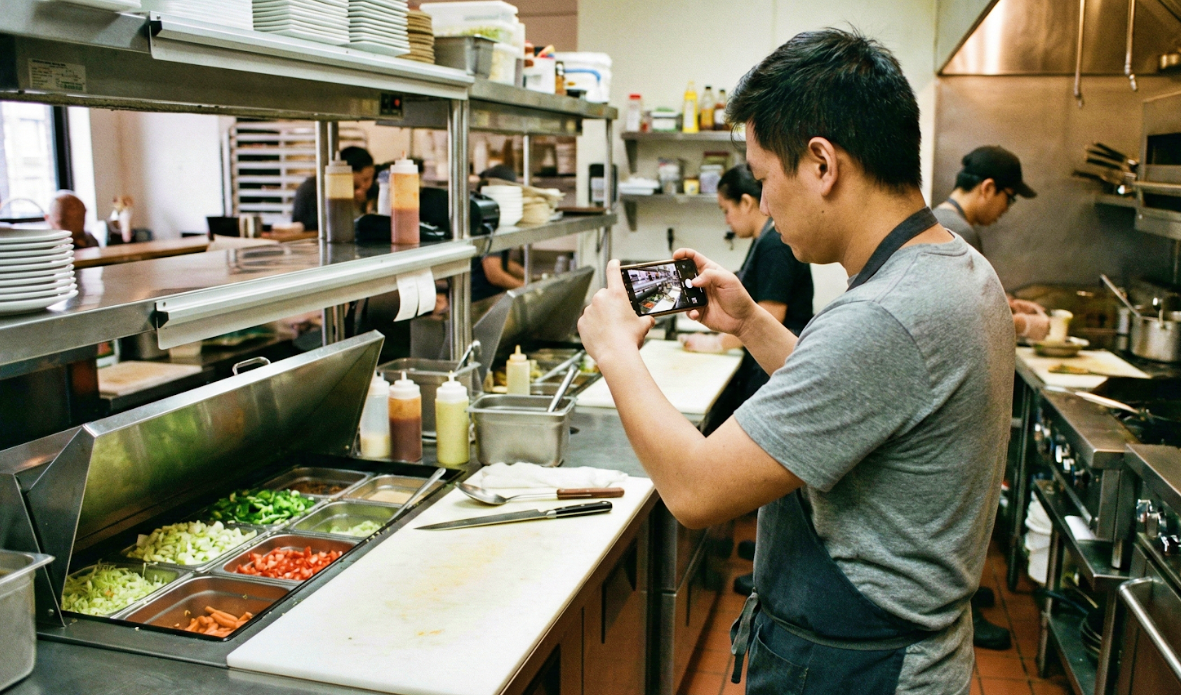
The concept is straightforward. Instead of just marking a task complete, team members capture a photo that gets time-stamped, geotagged, and stored alongside the task record. This turns a subjective checklist into a verifiable data point that managers can review from anywhere.
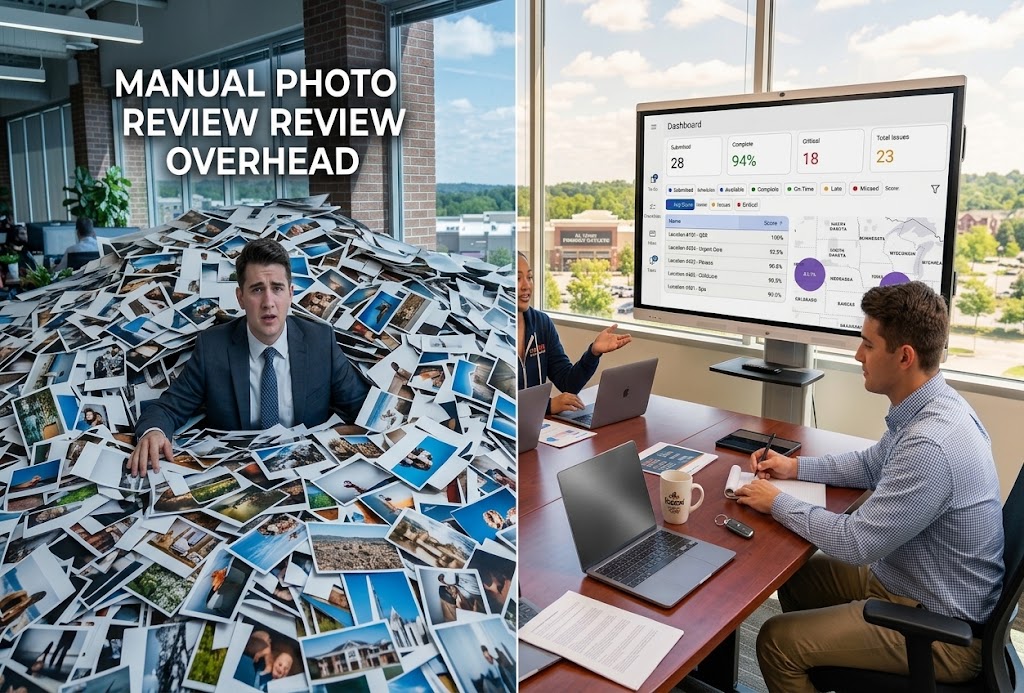
Some platforms take this further by using AI to analyze uploaded images. A photo of a prepared food display can be checked against brand guidelines to flag missing items or incorrect setups. This type of automated photo verification for field compliance removes the bottleneck of manual review and gives teams instant feedback on what passes and what needs correction.

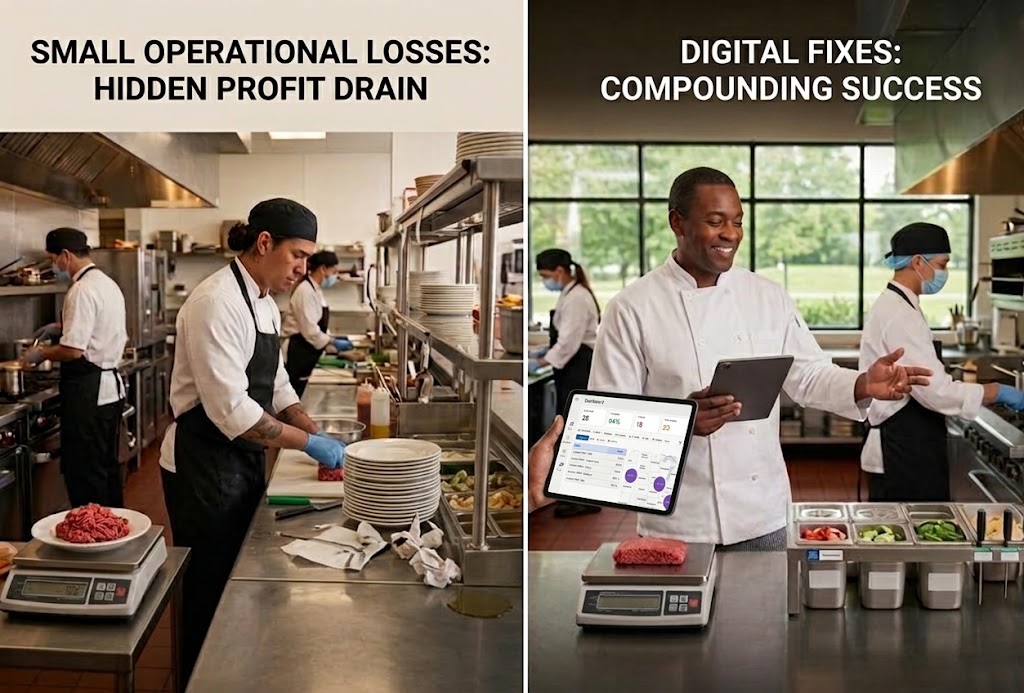
One of the biggest drains on field productivity is rework. When a task isn't done right the first time, someone has to go back, find the problem, fix it, and document the correction. With tight labor budgets, that cycle gets expensive fast. Automated photo validation catches issues at the point of completion, so problems get flagged before a manager ever steps in.
Picture a store associate completing a merchandising reset and uploading photos through the task workflow. The system flags that one section doesn't match the planogram. The associate fixes it on the spot and uploads a corrected photo. No follow-up visit from a manager, no wasted drive time. That kind of efficiency adds up across dozens or hundreds of locations.
Organizations relying on photo-based compliance verification consistently report fewer repeat visits and lower inspection costs. When teams know their work will be visually validated, quality improves from the start.
Nobody wants to feel watched every second, but accountability matters when compliance, safety, or brand consistency is on the line. Automated photo validation creates a natural checkpoint within the workflow. It's not surveillance. It's a built-in step that says, "Show your work."
This approach builds trust between frontline workers and management. When everyone operates under the same transparent system, there's less room for finger-pointing. Field teams appreciate having proof that they did the job right, and managers appreciate not having to chase answers. Platforms designed as an operations execution solution for field teams make this balanced accountability possible by embedding validation directly into daily processes.
OpsAnalitica integrates photo validation directly into its operations execution platform. When a task requires visual proof, the workflow prompts the user to take a photo before the task can be marked complete. That photo is automatically linked to the task record, tagged with location and time data, and made available for review.
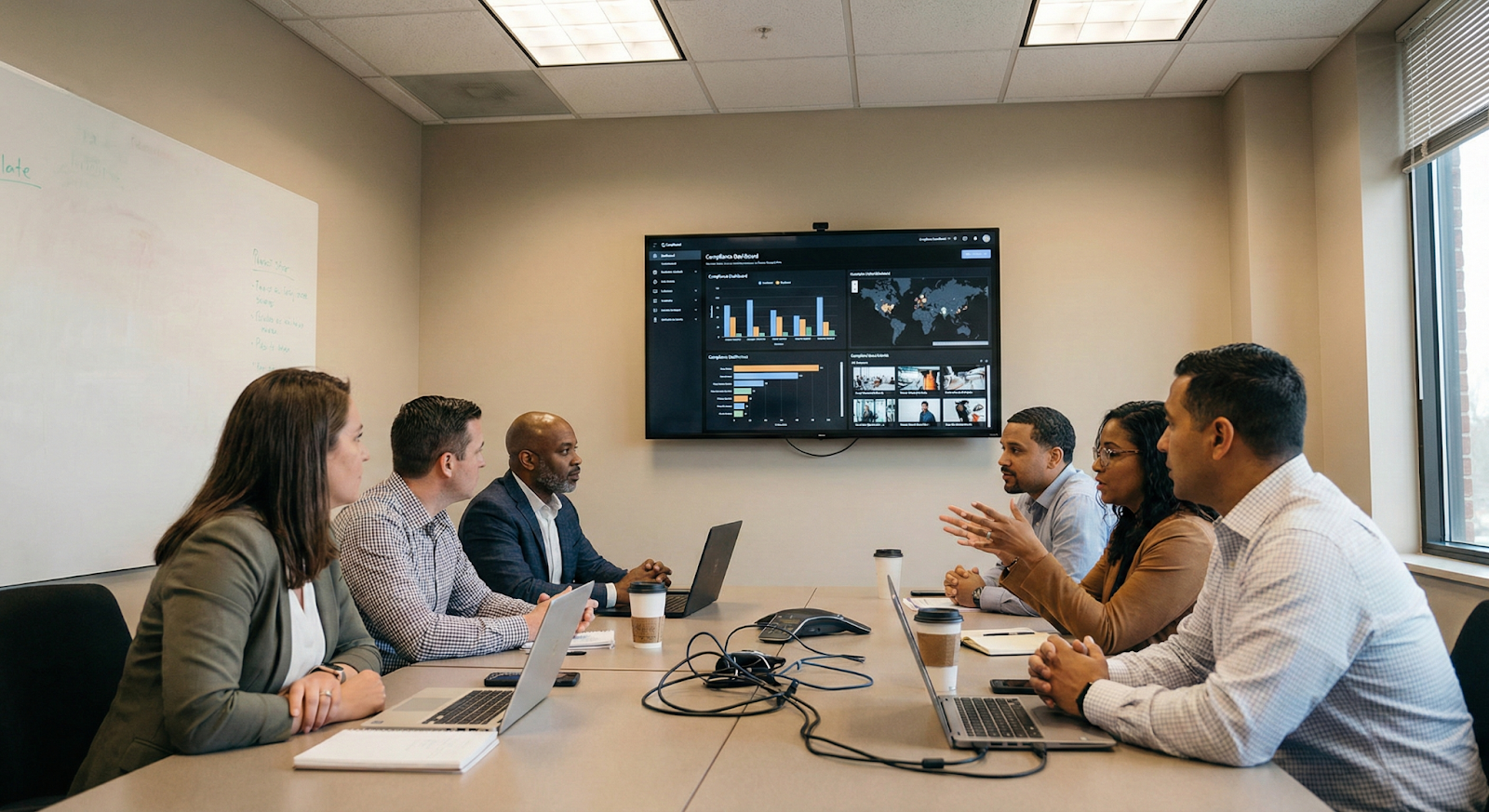
For multi-unit operators, this creates a consistent verification layer across every location. The platform's business logic engine evaluates photos against predefined criteria, flagging exceptions and triggering follow-ups without manual oversight. Clients using OpsAnalitica have reported labor cost reductions of 3 to 4 percent and significant weekly savings from improved time management. The combination of automated field inspections and intelligent photo capture gives operators real-time operational visibility into what's happening on the ground, backed by visual evidence.
How Real-Time Operational Data Helps Control Everyday Costs
The value of photo validation doesn't stop at verifying today's tasks. Every image captured becomes part of a searchable record that drives bigger operational decisions. Patterns emerge over time. Maybe one location consistently struggles with a particular setup, pointing to a training gap. Maybe certain equipment shows wear faster at specific sites, flagging a maintenance issue before it becomes a costly breakdown.
This visual data proves useful during audits, too. Instead of scrambling to pull documentation, operators have a timestamped photo trail showing exactly what conditions looked like at any given point. That preparedness changes how confidently a company can approach compliance reviews and quality checks.
If your field operations still run on trust and manual checks, it's time to see what's possible. Start using OpsAnalitica's photo validation tools for free and find out how visual proof can change the way your teams work.
Automated photo validation isn't about adding more steps to an already busy workday. It's about replacing guesswork with proof, catching problems before they cost money, and giving every level of the organization a shared understanding of what "done right" actually looks like. For multi-unit operators managing complexity at scale, it's one of the most practical investments in productivity and accountability available today.