How OpsPhotoAnalyzer Frees Up Managers to Focus on Higher-Value Work
Are manual walk-throughs eating up your managers' time every single shift? See how O
.webp)
Multi-location managers spend a surprising amount of time doing something that feels productive but really isn't: double-checking that tasks got done. They walk floors, flip through checklists, ask employees questions they already know the answers to, and hope nothing slips through the cracks. This cycle eats up hours every week and pulls attention away from work that actually moves the needle, like coaching team members and solving problems before they snowball.
Key Takeaways
- Manual verification takes up hours of manager time that could go toward coaching, problem-solving, and strategic improvements.
- Photo-based compliance verification provides instant proof that tasks are completed correctly without requiring physical walk-throughs.
- Digital platforms like OpsAnalitica automate verification and reduce manager time drain from manual audits by up to 30%.
- Shifting from checking boxes to reviewing exceptions allows managers to focus only on what actually needs attention.
- Consistent documentation supports multi-location audit readiness and reduces compliance risks across all sites.
The Hidden Cost of Manual Verification
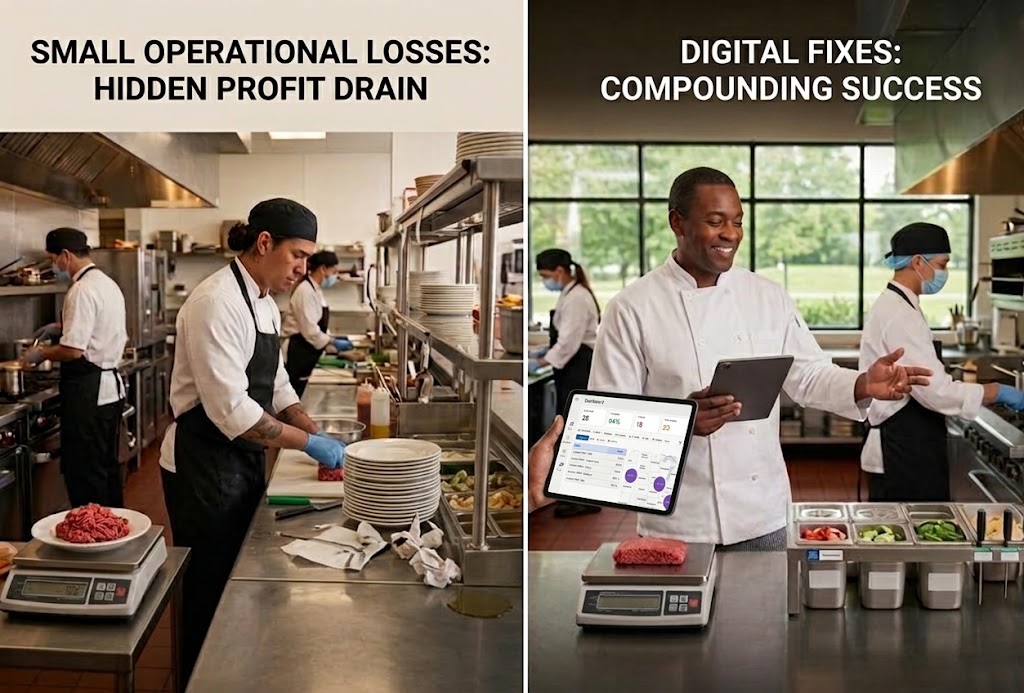
When you add up the time managers spend on verification, the numbers get uncomfortable fast. A single walk-through to confirm opening tasks might take 20 minutes. Multiply that by closing tasks, food safety checks, and cleaning protocols, and you're looking at two to three hours daily. Over a month, it becomes a major manager time drain from manual audits that affects everything from morale to profitability.
The real cost isn't just time. It's what doesn't happen because of it. Managers who spend their days chasing verification can't have meaningful conversations with employees about performance. They can't spot trends or identify training gaps before they cause turnover. They become compliance officers instead of leaders, and that's a bad trade for everyone.
Related: How to Turn Compliance From a Headache Into a Competitive Advantage
Three Approaches to Photo Verification
Not all verification methods work the same way. Here's a look at three approaches that organizations commonly use:
1. Timestamped Photo Logs
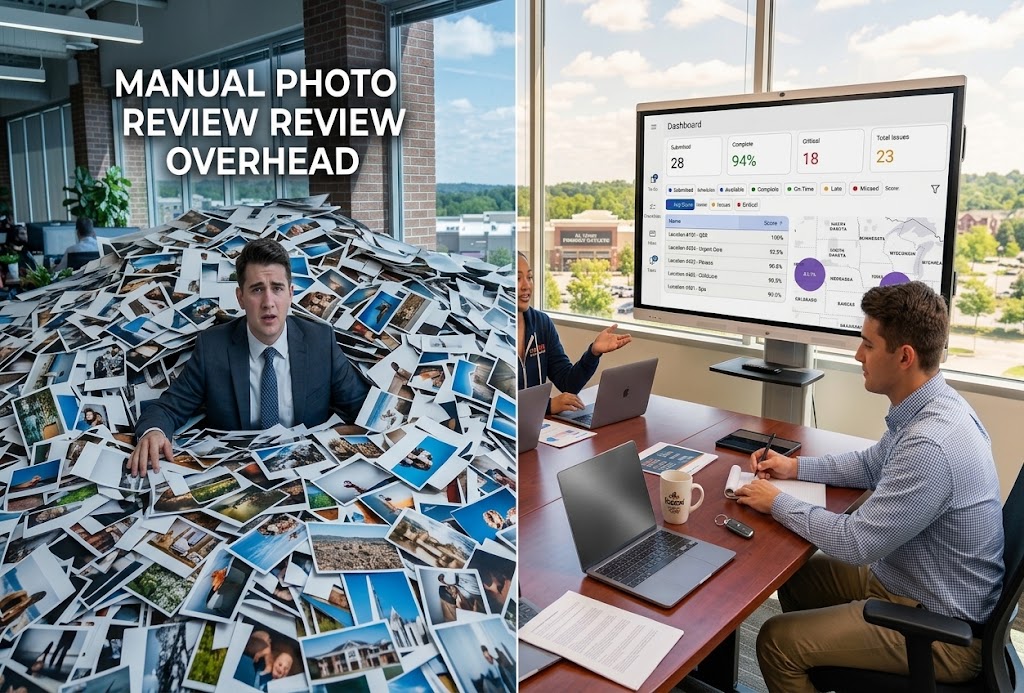
This basic approach requires employees to take photos of completed tasks and upload them to a shared folder or system with automatic timestamps. It creates a record that managers can review, but someone still has to look through those photos manually. For smaller operations with fewer daily tasks, this might be enough. The downside is that it shifts verification from physical walk-throughs to digital scrolling without eliminating review time.
2. Checklist-Integrated Photo Capture
A step up from basic logs, this method embeds photo requirements directly into digital checklists. Employees can't mark a task complete without attaching the required image. This approach works well for operations that need visual documentation for compliance purposes, such as health inspections or brand standards. It reduces the chance that photos get skipped, but it still needs human review to catch problems.

3. AI-Powered Photo Analysis
The most advanced option uses artificial intelligence to analyze submitted photos and flag issues automatically. Instead of a manager reviewing every image, the system does the initial screening and only surfaces exceptions that need attention. This is where photo-based compliance verification becomes truly time-saving, because managers shift from reviewing everything to reviewing only what matters.
Going Digital: The OpsAnalitica Approach
OpsAnalitica takes photo verification further by building it into a complete operations platform. When teams use OpsPhotoAnalyzer, photos become part of a larger system that tracks task completion, scores execution quality, and generates reports automatically. This integration matters because it connects verification to actual outcomes.
Here's how the digital approach changes the game:
Real-time visibility replaces delayed discovery. Instead of finding problems during a walk-through hours after they happened, managers see documentation as it comes in. A food prep station that wasn't set up correctly shows up immediately, not at the end of the shift.
Exception-based management becomes possible. The platform handles digital task verification for routine items, freeing managers to focus on situations that actually require judgment. When everything goes right, no action is needed. When something goes wrong, it gets flagged.
Documentation supports audits automatically. Every photo, timestamp, and completion record feeds into a central system that supports multi-location audit readiness without scrambling to gather paperwork before inspections.

Related: From One Store to a Hundred: The Checklist Framework That Scales With You
What Managers Can Do With Recovered Time
When verification stops dominating the schedule, managers gain back capacity for work that actually improves performance. That might look like spending 30 minutes each shift coaching a new team member instead of checking refrigerator logs. For franchise operations, it creates space to focus on franchise compliance visibility at a strategic level rather than task-by-task confirmation.
The shift also changes how managers think about their role. Checking boxes is draining work that rarely produces satisfaction. Solving problems and developing people is the work that makes management fulfilling. Photo verification doesn't eliminate accountability, it automates the routine parts so human attention can go where it's actually needed.
Making the Transition
Moving from manual to digital verification doesn't have to be complicated. Most operations start by identifying their highest-frequency verification tasks and digitizing those first. As teams get comfortable with photo documentation, the process expands to cover more areas.
The key is choosing a platform that integrates verification into existing workflows rather than adding another system to manage. OpsAnalitica is built for multi-unit operators who need consistency without creating more administrative burden. Ready to see how photo-based verification could work for your operation? Explore the Operations Execution Solution to learn more.
Conclusion
Photo verification isn't about catching employees doing something wrong. It's about creating systems that confirm things went right without requiring managers to personally witness every task. When that happens, managers get time to lead instead of just supervise. OpsPhotoAnalyzer and platforms like OpsAnalitica make that shift possible by turning verification into an automated process that runs in the background. The result is better compliance, less stress, and managers who can finally focus on the higher-value work that grows the business.
.png)
Ready to Improve Your Operations?
Get our FREE checklists to streamline processes, boost efficiency, and save time.