Andy Smith
Mar 7, 2026
Struggling to verify compliance across multiple locations?
Managing operations across multiple locations gets harder the more you grow. When you have five units, you can visit each one regularly. When you have fifty, you're relying on managers, field teams, and a lot of trust. The problem is, trust without verification leads to inconsistency, and that's where compliance failures and labor waste start piling up. Photo-based verification is changing the way operations leaders maintain control without micromanaging every location.
Growth creates distance, and distance creates blind spots. When a regional director oversees dozens of locations, they depend on checklists and local managers to know whether standards are being met. But paper checklists can be checked off without the work being done, and self-reported data is only as reliable as the person filling it out.
Think about food safety compliance in a restaurant group or cleanliness standards in a hospitality chain. If a team says the prep area was sanitized, how do you confirm that from three states away? When compliance failures happen, the cost isn't just a fine. It's lost customer trust and damage that takes months to repair.
How OpsPhotoAnalyzer Frees Up Managers to Focus on Higher-Value Work
OpsPhotoAnalyzer is built into the OpsAnalitica platform. Instead of just checking a box, frontline employees submit a photo that proves the task was done correctly. The system then uses OpsPhotoAnalyzer AI photo verification and compliance to evaluate whether the submitted image meets the defined standard. If it doesn't pass, the task stays open, and the right people get notified.
This isn't about catching people doing something wrong. It's about building accountability into the workflow. When everyone knows their work will be verified through photos, execution quality goes up. Managers don't need to hover because the platform handles verification automatically, flagging only the issues that need attention.

One of the biggest fears about growth is losing the ability to maintain standards. Every new location is another set of variables and another potential gap. OpsPhotoAnalyzer addresses this by making visual verification a standard part of digital task and operations execution workflows. Whether you're opening your tenth location or your hundredth, every team follows the same process with the same requirement for proof.
This consistency is hard to achieve with traditional methods. Even the best field managers can only be in one place at a time, and audits only capture a snapshot. With photo verification running continuously, you get a real-time picture of what's happening everywhere. That's the visibility that lets leaders decide where to invest time.
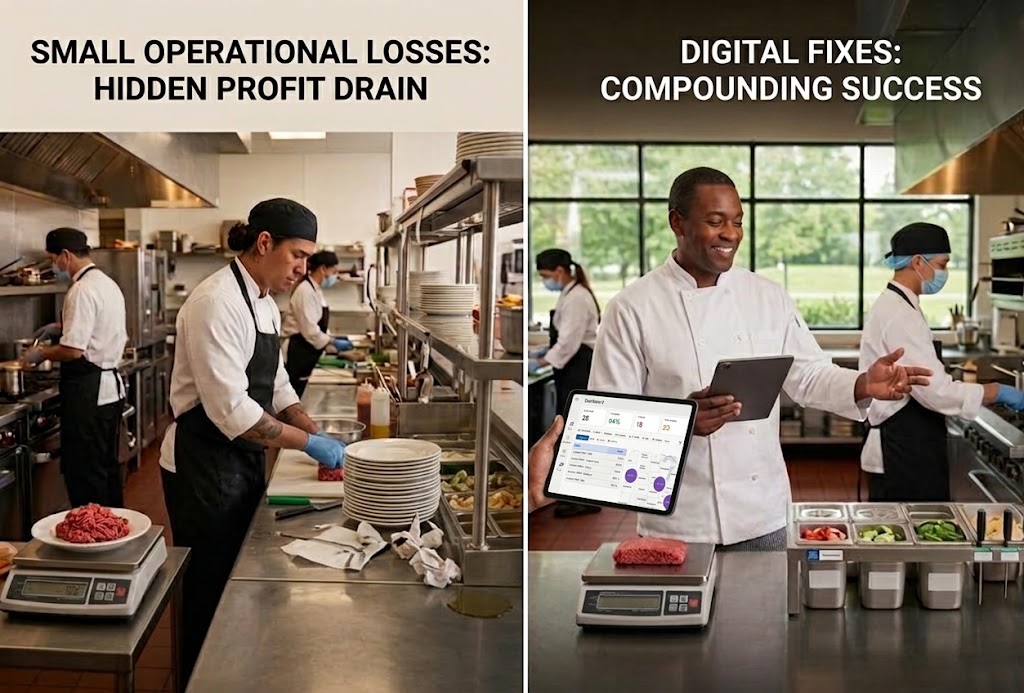
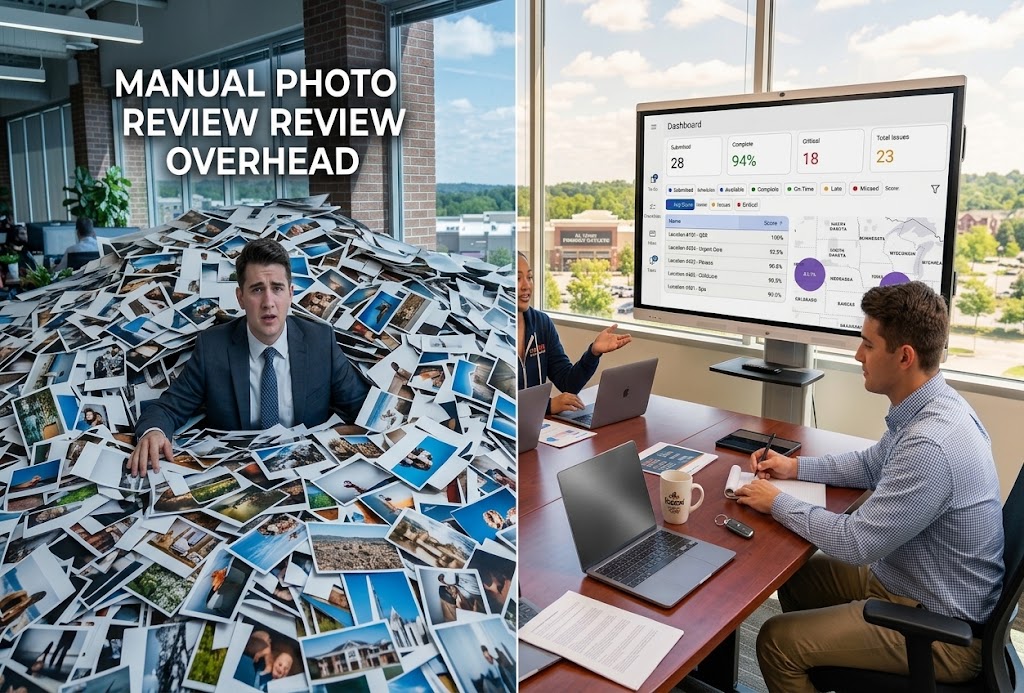
Manual verification eats up management hours. When a district manager drives to a location just to confirm a display was set up correctly, that's time and money a photo could save. Organizations using OpsAnalitica have reported labor cost reductions of 3 to 4 percent and weekly savings of up to $5,000. The ability to use automated visual compliance verification means fewer site visits for routine checks and more time for coaching and strategic improvements.
Photo verification also eliminates disputes about whether a task was completed. Instead of relying on someone's word, there's a timestamped, location-tagged photo as proof. That kind of data integrity matters for compliance reporting and audit preparation.
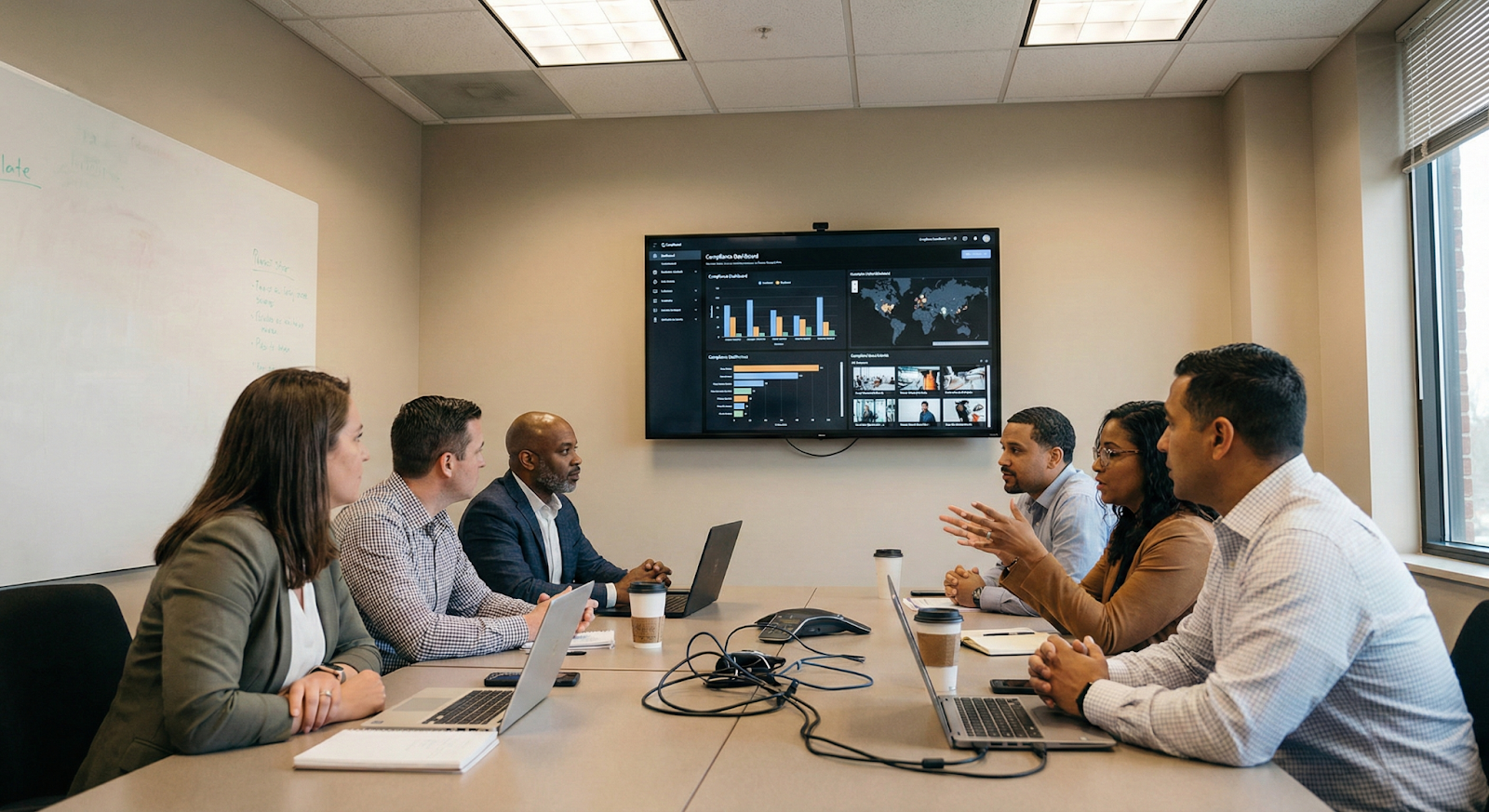
Tools only work when people use them consistently, and OpsPhotoAnalyzer has an interesting effect on team behavior. When photo verification becomes routine, it shifts the culture from "did you do it?" to "show me it's done." Everyone follows the same process, and the platform captures operational analytics real-time insights that help leaders identify patterns, not just individual issues.
Over time, this creates a feedback loop. Teams that know their work will be verified tend to perform better, and leaders with reliable data can recognize strong performers and address gaps early. It builds execution discipline without adding supervision.
Related: How Automated Photo Verification Prevents Costly Compliance Failures
Photo verification works across industries. In restaurants, it confirms food prep standards, cleaning procedures, and display setups. Hospitality teams use it to verify room readiness and maintenance completion. Retail chains confirm planogram compliance and store opening procedures. Any operation where visual confirmation matters can benefit.
The flexibility of image analysis for quality assurance in operations means what counts as "compliant" can be defined differently for each task or location. A quick-service restaurant might need a photo of the menu board, while a hotel requires a photo of a freshly made bed. The platform adapts to what each business needs.
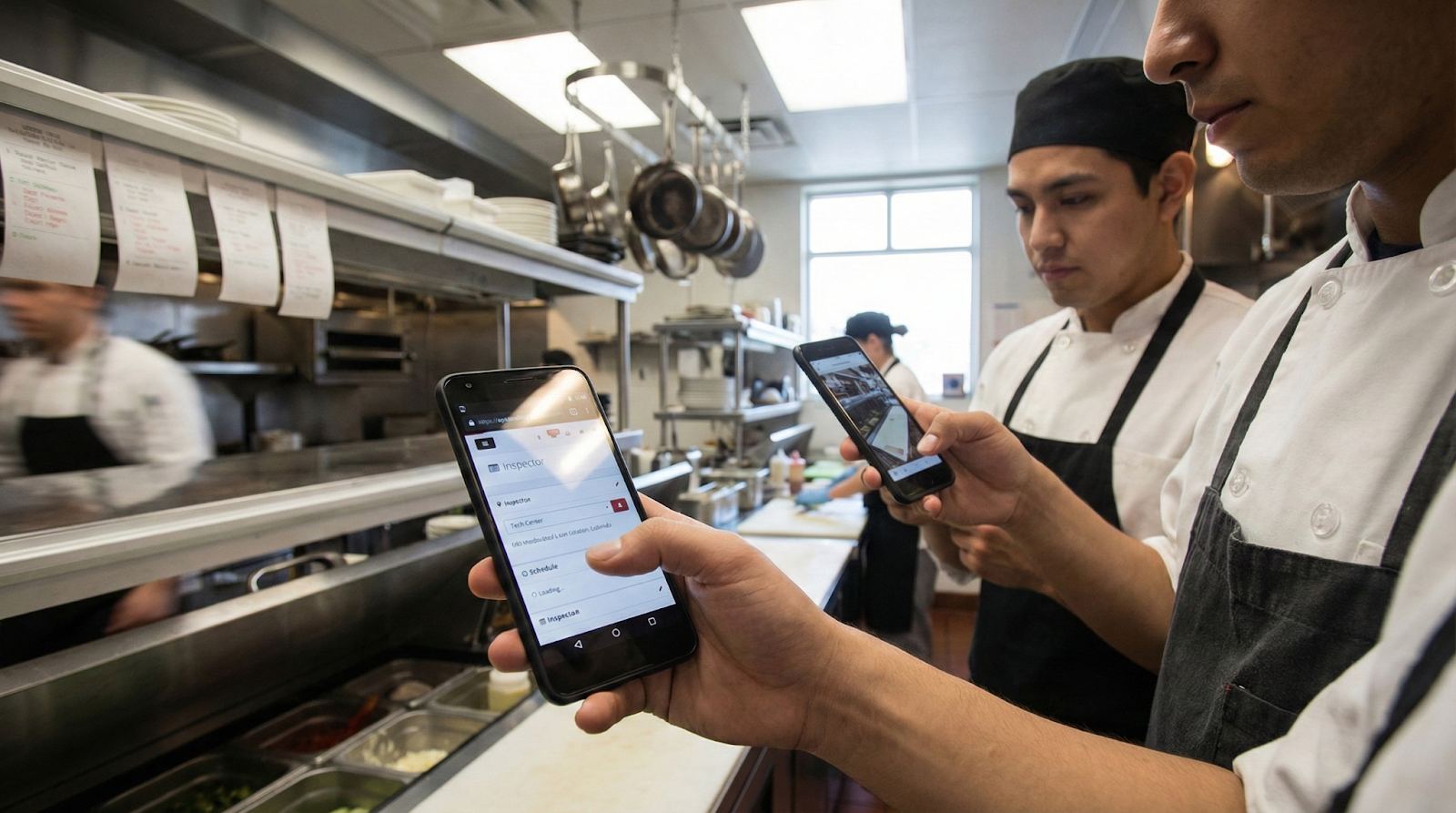
OpsPhotoAnalyzer doesn't exist in isolation. It's part of a larger operations execution solution for multi-unit operations that includes task management, workflow automation, alerts, and advanced reporting. When photo verification combines with these tools, you get a system that evaluates the quality of work against defined standards, not just whether it was done.
OpsAnalitica's Business Logic Engine powers dynamic workflows that adapt based on data collected, including photo submissions. If a photo fails, the system can trigger a corrective action or escalate based on severity. This intelligent automation separates a true operations execution platform from a simple checklist app.
Ready to see how photo verification fits into your operations? Explore OpsAnalitica's operations execution solution to learn what scalable compliance looks like.
Scaling a multi-unit operation will always come with challenges, but visibility shouldn't be one of them. OpsPhotoAnalyzer gives operations leaders the proof they need to trust that standards are being met without being everywhere at once. When photo verification is woven into daily workflows, compliance becomes a built-in outcome. For leaders who want to grow without guessing, that confidence makes all the difference.